Dead Tree Removal in Allentown, PA
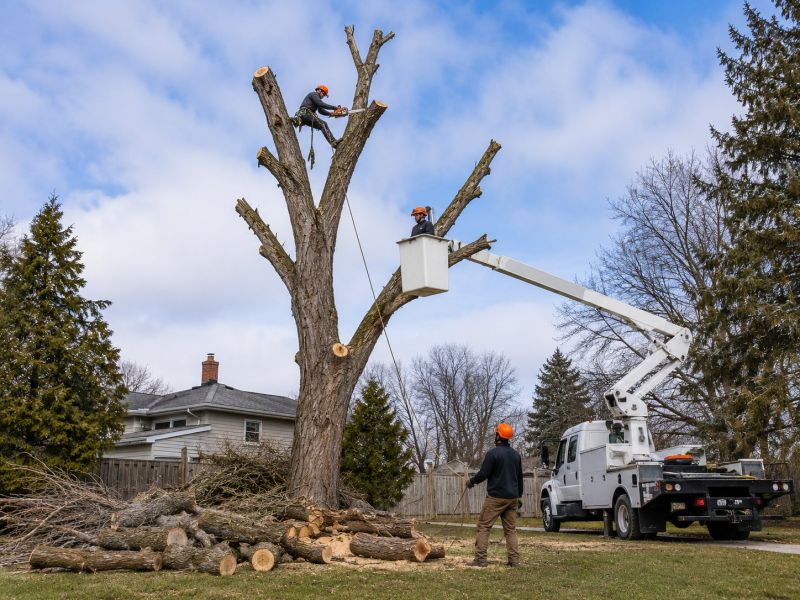
Dead tree removal services involve the careful removal of trees that are dead, dying, or pose a risk to property. This process typically includes assessing the tree’s condition, planning the safest way to remove it, and then executing the removal to prevent damage to surrounding landscapes, structures, or utility lines. Projects often include removing trees that have become hazardous due to disease, storm damage, or age, as well as clearing space for new landscaping or construction projects. Property owners should consider factors such as the tree’s location, size, and health before requesting removal, ensuring the process is safe and appropriate for their property.
Homeowners and property owners usually seek dead tree removal to eliminate safety hazards, prevent potential property damage, or improve the appearance of their landscape. It’s important to understand that removing a dead tree involves specialized equipment and techniques to handle large or difficult-to-reach specimens safely. Before requesting services, property owners should be aware of any potential restrictions or considerations related to nearby structures, utility lines, or environmental regulations that may influence the scope of work. Proper planning ensures the removal is conducted efficiently and with minimal disruption to the property.
Many property owners in Allentown, PA look into Dead Tree Removal for repairs, replacements, upgrades, and appearance-related improvements.
Signs You Need Dead Tree Removal
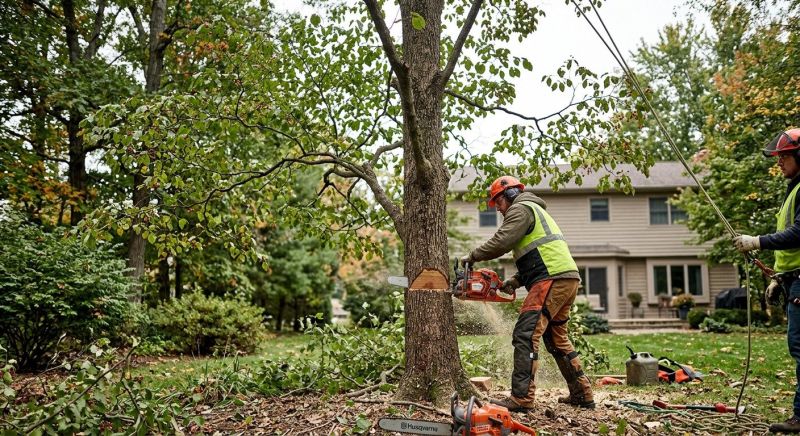
Unhealthy or dying trees can pose safety risks and may require professional removal.
Benefits Of Removing Dead Trees
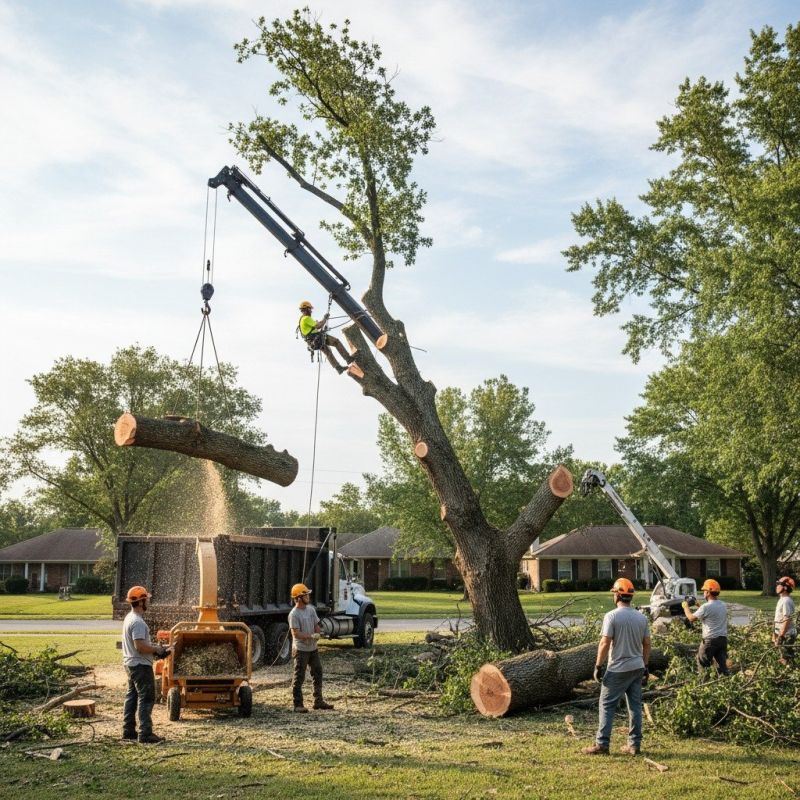
Removing dead trees helps maintain landscape health and prevents potential property damage.
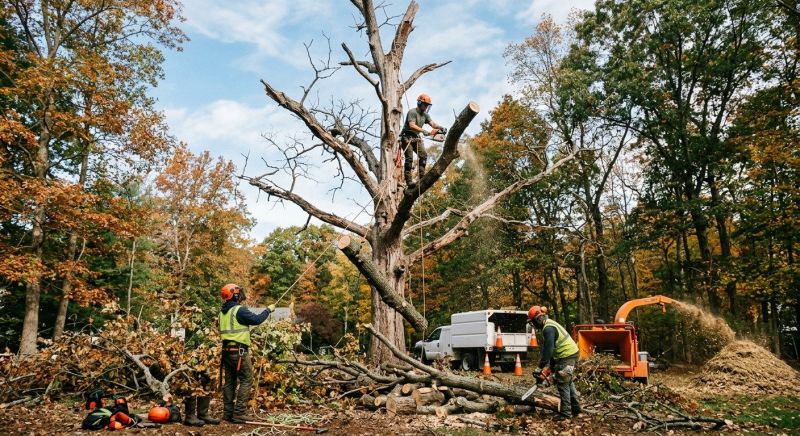
Common Dead Tree Removal Projects
Services often include removing hazardous trees near homes, driveways, and utility lines in allentown and surrounding areas.
Dead Tree Removal in Allentown, PA
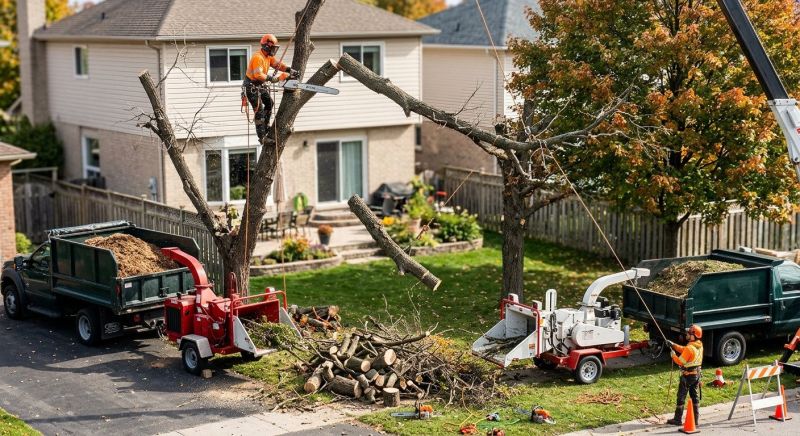
Dead tree removal services involve the careful removal of trees that are dead, dying, or pose a risk to property. This process typically includes assessing the tree’s condition, planning the safest way to remove it, and then executing the removal to prevent damage to surrounding landscapes, structures, or utility lines. Projects often include removing trees that have become hazardous due to disease, storm damage, or age, as well as clearing space for new landscaping or construction projects. Property owners should consider factors such as the tree’s location, size, and health before requesting removal, ensuring the process is safe and appropriate for their property.
Homeowners and property owners usually seek dead tree removal to eliminate safety hazards, prevent potential property damage, or improve the appearance of their landscape. It’s important to understand that removing a dead tree involves specialized equipment and techniques to handle large or difficult-to-reach specimens safely. Before requesting services, property owners should be aware of any potential restrictions or considerations related to nearby structures, utility lines, or environmental regulations that may influence the scope of work. Proper planning ensures the removal is conducted efficiently and with minimal disruption to the property.
Many property owners in Allentown, PA look into Dead Tree Removal for repairs, replacements, upgrades, and appearance-related improvements.
Common Dead Tree Removal Jobs
Dead Tree Removal - safely eliminates hazardous trees that pose risks to property and safety.
Stump Grinding - removes remaining tree stumps to prevent regrowth and improve landscape appearance.
Emergency Dead Tree Removal - addresses urgent situations caused by storm damage or disease.
Selective Tree Removal - removes specific dead or dying trees to maintain landscape health.
Property Cleanup - clears debris and wood chips after dead tree removal for a tidy yard.
Tree Assessment Services - evaluates tree health to identify hazards and plan removal if necessary.
Dead Tree Removal Questions
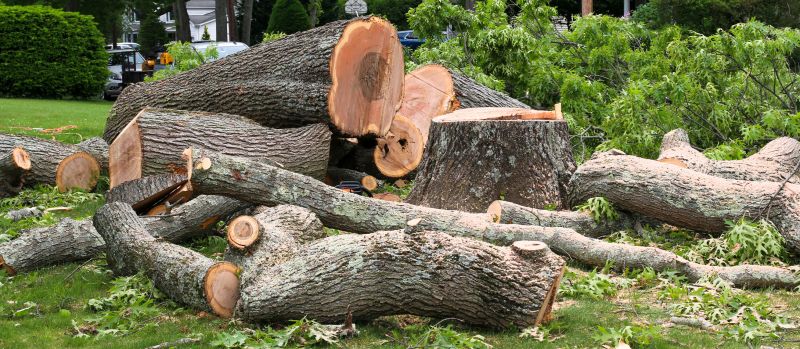
Why remove dead trees? Removing dead trees helps prevent potential property damage and reduces safety hazards caused by falling branches or the tree itself.
What types of trees are commonly removed? Dead or severely damaged trees, regardless of species, are typically removed to maintain landscape safety and health.
Is dead tree removal necessary near structures? Yes, dead trees close to buildings or power lines pose a higher risk and should be removed to protect property and safety.
How does dead tree removal impact the landscape? Removing dead trees can improve the appearance of the property and promote healthier growth for remaining plants and trees.
Request Dead Tree Removal in Allentown, PA
Use the quote form on this page to share the basics of your project and request more information for the type of work you need.